
Related Information
- Traditional culture breathes anew under youthful innovation
- Demand, policies fuel foreign trade
- Chinese vice-premier urges deepened efforts for high-quality basic education
- Attraction to DIY handicrafts beads to the urban surface
- Talks to help stabilize trade relations with Washington
- Tariff cuts to boost exports from Africa

 Azvenus Time:2026-04-20
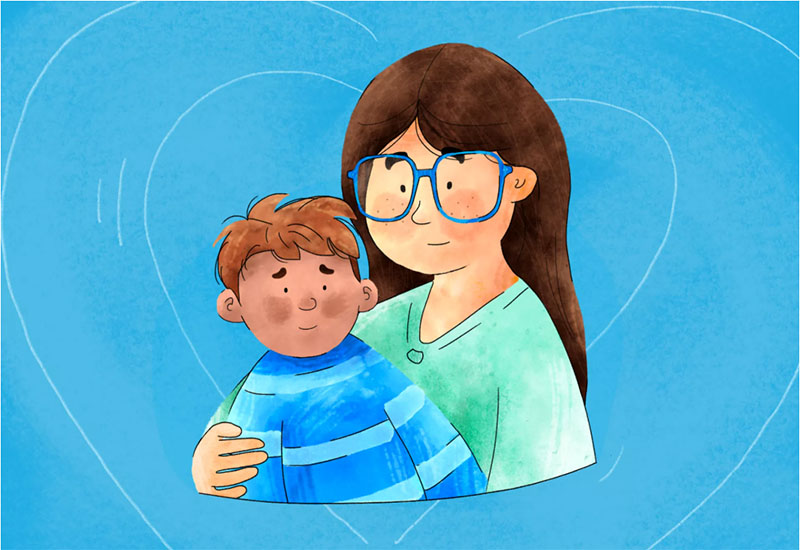
When conflict or war makes the headlines, it can cause feelings such as fear, sadness, anger and anxiety wherever you live.
Children always look to their parents for a sense of safety and security – even more so in times of crisis.
Here are some tips on how to approach the conversation with your child and to provide them with support and comfort.
1. Find out what they know and how they feel
Choose a time and place when you can bring it up naturally and your child is more likely to feel comfortable talking freely, such as during a family meal. Try to avoid talking about the topic just before bedtime.
A good starting point is to ask your child what they know and how they are feeling. Some children might know little about what is happening and not be interested in talking about it, but others might be worrying in silence. With younger children, drawing, stories and other activities may help to open up a discussion.
Kids can discover the news in many ways, so it’s important to check in on what they’re seeing and hearing. It’s an opportunity to reassure them and potentially correct any inaccurate information they might have come across whether online, on TV, at school or from friends.
A constant stream of upsetting images and headlines can make it feel like the crisis is all around us. Younger children may not distinguish between images on screen and their own personal reality and may believe they’re in immediate danger, even if the conflict is happening far away. Older children might have seen worrying things on social media and be scared about how events might escalate.
It’s important not to minimize or dismiss their concerns. If they ask a question that might seem extreme to you, such as “Are we all going to die?”, reassure them that is not going to happen, but also try to find out what they have heard and why they are worried about that happening. If you can understand where the worry is coming from, you are more likely to be able to reassure them.
Be sure to acknowledge their feelings and assure them that whatever they are feeling is natural. Show that you’re listening by giving them your full attention and remind them that they can talk to you or another trusted adult whenever they like.
2. Keep it calm and age-appropriate
Children have a right to know what’s going on in the world, but adults also have a responsibility to keep them safe from distress. You know your child best. Use age-appropriate language, watch their reactions, and be sensitive to their level of anxiety.
It is normal if you feel sad or worried about what is happening as well. But keep in mind that kids take their emotional cues from adults, so try not to overshare any fears with your child. Speak calmly and be mindful of your body language, such as facial expressions.
Use age-appropriate language, watch their reactions, and be sensitive to their level of anxiety.
As much as you can, reassure your children that they are safe from any danger. Remind them that many people are working hard around the world to stop the conflict and find peace.
Remember that it’s OK to not have the answer to every question. You can say that you need to look it up or use it as an opportunity with older children to find the answers together. Use websites of reputable news organizations or international organizations like UNICEF and the UN. Explain that some information online isn’t accurate and the importance of finding reliable sources.
3. Spread compassion, not stigma
Conflict can often bring with it prejudice and discrimination, whether against a people or country. When talking to your children, avoid labels like “bad people” or “evil” and instead use it as an opportunity to encourage compassion, such as for the families forced to flee their homes.
Even if a conflict is happening in a distant country, it can fuel discrimination on your doorstep. Check that your children are not experiencing or contributing to bullying. If they have been called names or bullied at school, encourage them to tell you or an adult whom they trust.
Remind your children that everyone deserves to be safe at school and in society. Bullying and discrimination is always wrong and we should each do our part to spread kindness and support each other.
4. Focus on the helpers
It’s important for children to know that people are helping each other with acts of courage and kindness. Find positive stories, such as the first responders assisting people, or young people calling for peace.
The sense of doing something, no matter how small, can often bring great comfort.
See if your child would like to participate in taking positive action. Perhaps they could draw a poster or write a poem for peace, or maybe you could participate in a local fundraiser or join a petition. The sense of doing something, no matter how small, can often bring great comfort.
Sources: https://www.unicef.org/parenting/child-care/how-talk-your-children-about-conflict-and-war
Pictures are from Internet. Infringement must be deleted.